

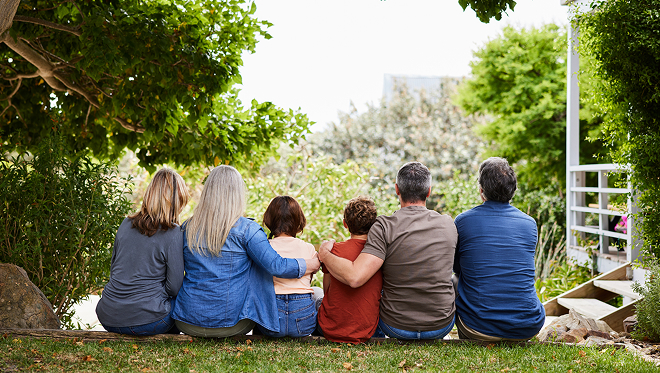
For many Northeast Michigan families, the cabin is the one place everyone agrees they want to keep, but it is also the first thing that can quietly tear people apart after a parent dies. One child wants to sell, another wants to keep it forever, and a third lives out of state and uses it the least but is still on the hook for costs. The happy memories can start to feel overshadowed by arguments about money, schedules, and what Mom and Dad “really wanted.”
If you own a cabin or cottage, you are probably thinking less about legal rules and more about fishing trips, holidays, and grandkids learning to swim off the dock. At the same time, you may have a nagging thought in the back of your mind about what happens when you are no longer the one organizing the work and paying the bills. That tension, between wanting to preserve the good and worrying about future conflict, is exactly why a cabin deserves its own estate planning conversation.
At Carig Law, we have spent more than 20 years helping Northeast Michigan families plan their estates, navigate probate, and administer trusts, including many that involve cabins and vacation properties. We see the same patterns over and over when a cabin is treated like any other asset. In this guide, we want to share what we have learned, in plain language, so you can protect both the property and the relationships that matter most to you.
Why Your Family Cabin Needs Its Own Estate Plan
A family cabin is not like a checking account or a car that can be sold and divided. It holds years of memories, family stories, and traditions that stretch across generations. That emotional weight makes decisions about the cabin much harder for your children than decisions about more ordinary assets. When there is no clear plan, those emotions can turn what should be a shared blessing into a painful source of disagreement.
Beyond the emotional side, cabins are also logistically different. They often require seasonal maintenance, have uneven usage among siblings, and may come with higher property taxes, association dues, or insurance costs. If several adult children inherit a cabin together without a plan for who schedules weeks, who pays what, and how repairs are decided, they can find themselves stuck in arguments that drag on for years.
From a legal standpoint, Michigan treats real estate in specific ways when someone dies. If your cabin is titled in your sole name when you pass, it generally has to be transferred through the probate court before anyone can legally sell it or retitle it. Probate in Michigan is a formal process, and while it is manageable, it adds time, cost, and court oversight. For grieving families who just want to use the cabin again or decide what to do with it, that delay can feel frustrating.
Because our practice at Carig Law focuses on estate planning and probate throughout Northeast Michigan, we regularly see cabins become the most complicated asset in an estate. The problems are rarely about legal documents alone. They are about the cabin’s unique mix of emotion, cost, and shared use. Treating the cabin as if it were just another line on a balance sheet usually does not work. Planning for it as its own issue often does.
What Happens to a Michigan Cabin If You Do Nothing
Many people assume their family will “figure it out” after they are gone, especially if everyone gets along today. In practice, when there is no cabin-specific planning, Michigan law steps in and makes some decisions for you, and your family has to live with the consequences. Understanding what happens by default can help you decide whether that is really what you want.
If you die without a will or trust, Michigan’s intestate succession laws determine who inherits your assets. The details depend on whether you leave a spouse, children, or other relatives, but the key point is that the law, not your personal wishes, decides who receives your cabin. Even if this lines up roughly with what you would have chosen, it usually does not address practical questions such as which child actually wants to keep the cabin or who can afford the taxes.
Because real property in your name usually has to pass through probate, your cabin will typically be part of a court-supervised process. During probate, your personal representative gathers assets, pays debts, and eventually transfers the cabin to the heirs. This can take months, and during that time, your family may not be comfortable making improvements, renting it, or listing it for sale. The cabin might sit in limbo through a season they would otherwise be using it.
When the probate process is finished, multiple heirs often become co-owners of the cabin by default. For example, if you have three adult children, they might each end up owning one-third as tenants in common. On paper, that sounds fair. In real life, one sibling might live nearby and do all the work, one might live several hours away and only visit occasionally, and one might be struggling financially and prefer to sell. Without clear rules about who can use the cabin when, how expenses are shared, or how a buyout works, that equal ownership can quickly feel unequal.
Because we work with families throughout Northeast Michigan, we have seen many situations where a cabin that everyone loved became the central source of stress in the estate because there was no plan. The law provided a default answer about who owned it, but not a roadmap for how to share it. The good news is that you do not have to leave it to chance. You can address these issues while you are still in control.
Common Quick Fixes For Cabins And Why They Backfire
When cabin owners start thinking about the future, they often look for a simple fix. Some of the most common approaches feel easy and inexpensive at the time, but they can create headaches for your family later. Knowing where these shortcuts go wrong can help you avoid problems that are hard to unwind once they are in place.
One popular idea is to add one or more children directly to the deed as joint owners while you are still alive. The thought is that if you and a child both own the cabin, it will be easier for them to take over and you might avoid probate. What this overlooks is that you are giving that child a present ownership interest. Their creditors, ex-spouses, or other legal problems may now reach your cabin. If that child goes through a divorce, has a serious accident, or gets sued, the share you gave them can be pulled into that dispute.
Another quick fix is a simple will that says, “I leave my cabin to my children in equal shares.” A will can clarify who inherits, but it does not by itself explain how to actually share the cabin. It does not say how to choose holiday weekends, what happens if one child cannot afford their share of the taxes, or how to decide on major repairs. Without more detailed instructions, you hand your children a jointly owned property and leave them to negotiate everything else on their own, possibly while still grieving.
Some owners hear about transfer-on-death or lady bird deeds and use them to name beneficiaries for the cabin. In Michigan, these deeds can be helpful tools. They can allow a cabin to pass outside of probate, which is a meaningful benefit. However, if you list more than one child as a beneficiary, you still land in the same place afterward, with multiple people sharing ownership and no rules about how that shared ownership will work in the long run.
At Carig Law, we often review deeds and wills that were put in place years ago with the best intentions, but without a full picture of the consequences. Part of our role is to help families understand what those documents actually do, what they do not do, and what other options might better fit their goals. Our focus on clarity means we take the time to explain these tradeoffs in a way that makes sense, so you can decide whether a “simple” approach is really simple for the people you leave behind.
Planning Options To Protect Your Cabin And Your Family
The good news is that you have several tools available to you, and they can be combined in different ways to fit your family and your cabin. The best plan for a small, rustic cabin that only one child uses may be different from the best plan for a large cottage that is the hub of every holiday. The goal is to create a cabin succession plan that matches your reality, not someone else’s.
One of the most flexible tools for cabin planning is a revocable living trust. With a trust, you transfer title to the cabin into the trust during your lifetime. You still control and use the property while you are alive and able, but when you die, the trust instructions control what happens without the cabin going through probate. The trust can say who may use the cabin, how expenses are paid, when it can be sold, and what vote or consent is required for major decisions.
In some families, using a limited liability company, or LLC, for the cabin also makes sense. The LLC holds title to the property, and family members hold membership interests in the LLC rather than direct title to the real estate. An operating agreement for the LLC, sometimes paired with a separate cabin agreement, can lay out rules for scheduling, expense sharing, and buyouts. This approach can be especially helpful when many people will use the cabin over multiple generations.
Transfer-on-death or lady bird deeds can still play a role in a well-thought-out plan, particularly for simpler situations where one person is going to receive the cabin outright. These deeds can help you avoid probate for the cabin, but they should be used with an understanding of what they do and do not address. For example, if your long-term goal is that a trust or LLC will own the cabin for the benefit of several people, you may want to structure the deed and other documents to move the property in that direction.
Because Carig Law handles estate planning, probate, business law, and local government matters, we can help you look at these options together instead of in isolation. That way, the deed, any trust you already have or may create, and any LLC or agreement for the cabin all point in the same direction, rather than pulling against each other.
Using a Trust To Keep Your Cabin Out of Probate
When you place your cabin in a revocable living trust, you sign a new deed that transfers title from you personally into your trust. While you are alive and well, you generally act as your own trustee and continue to use the cabin as you always have. From your perspective, little changes day to day. The big difference shows up when you die or become incapacitated. Instead of needing a court order to move the cabin to your heirs, your successor trustee follows the instructions in your trust.
Your trust can be as detailed as you want it to be about the cabin. Some people include provisions that give one child the option to buy the cabin at a set price or according to an appraisal formula. Others set up a cabin fund inside the trust, setting aside some cash to cover taxes and insurance for a period of time. You can also spell out who gets priority for certain weekends, how guests are handled, or whether the cabin can be rented out. These instructions give your trustee and your children a clear roadmap instead of leaving them to guess.
When an LLC or Cabin Agreement Makes Sense
An LLC is not the right fit for every family, but it can be a useful tool when used thoughtfully. If you expect that several adult children, their spouses, and eventually grandchildren will be sharing the cabin for many years, the structure of an LLC can help organize that sharing. Instead of four or five names on a deed, you have one owner on paper, the LLC, with a clear set of rules in an operating agreement.
A carefully drafted operating agreement, sometimes supplemented by a separate cabin agreement, can address practical issues that cause friction in many families. It can set annual contribution amounts for taxes and maintenance, define how extra projects or upgrades are approved, and create a buyout process for a family member who wants to exit. It can also address voting, such as whether major decisions require a simple majority or a higher threshold. While there is some ongoing administration involved in an LLC, many families find that the clarity and structure are worth the effort.
Solving Real Problems: Schedules, Costs, And Buyouts
Legal structures like trusts and LLCs only work well if they address the day-to-day realities of using and maintaining a cabin. Your children and grandchildren will be less concerned with words like “trustee” and “manager” and more concerned with questions like who gets the Fourth of July week and who has to pay for the new roof. Building answers to these questions into your plan is just as important as choosing the right documents.
Scheduling is one of the first friction points that shows up when several families share a cabin. If one child lives near Alpena and another lives several states away, their ability to use the property may be very different. Your plan can set a fair rotation for prime weeks, allow trading among family members, and give some priority to those who contribute more to costs or maintenance if that fits your values. Putting this in writing now can prevent hurt feelings later when people have different memories of verbal promises.
Costs are another major pressure point. Property taxes, insurance, utilities, and ongoing maintenance all add up, and those bills have to be paid even in years when someone cannot visit much. A good cabin plan spells out how much each owner or beneficiary is expected to contribute, what happens if someone cannot or will not pay, and how major expenses like a new dock or septic system are approved. Some families choose to create a shared cabin fund that everyone pays into annually, which can be addressed in a trust or LLC agreement.
Finally, there is the question of buyouts. Over time, it is common for one or more family members to decide they no longer want to be involved with the cabin. Maybe they have moved far away, their financial situation has changed, or they simply do not value cabin time the way others do. Your plan can build in a clear process for those situations. For example, you might require that any sale be first offered to the other family members at a value determined by an appraiser or another agreed method before an outside sale is considered.
After years of working with multi-generational cabin owners, we have seen that plans which address schedules, costs, and exits in concrete terms tend to hold up much better over time. At Carig Law, we help families think through what is realistic for their specific situation and then translate that into written rules that are both clear and workable.
Planning For Special Situations: Blended Families And Out-Of-State Heirs
Many Northeast Michigan families have situations that are more complicated than the traditional picture of one long marriage and a handful of local children. You might be in a second marriage with children from a prior relationship. You might have some children living downstate or out of state, while others live near the cabin year-round. These factors matter, and your cabin plan should take them into account.
In blended families, expectations about the cabin can be very different. A surviving spouse might assume they will be able to keep using the cabin freely, while children from a first marriage might be counting on eventually owning it. A trust can be designed to balance these interests, for example by allowing a spouse to use the cabin for life while providing that ownership ultimately passes to children. The key is to be specific about who can invite guests, who pays for what, and what happens if the spouse or children later decide the arrangement no longer works.
When some heirs live far from Northeast Michigan, sharing a cabin becomes more complicated. The out-of-state child may not use the property as often, but still needs to understand their responsibilities for costs and decisions. They might also worry about liability or about being tied into a property that is hard to sell. Your plan can address these concerns by adjusting contribution expectations, clarifying insurance coverage, and offering more flexible exit options for those living far away.
Rental use is another special situation that comes up frequently. Some families want to rent out the cabin to help cover expenses, while others feel strongly about keeping it for family only. If rentals are on the table, your plan should say who can approve them, how income is handled, and how wear and tear is addressed. Our local knowledge in Northeast Michigan helps us talk with clients about how cabins in the area are typically used and regulated, so those choices are made with a clear picture of what is practical.
At Carig Law, we build customized solutions that are informed by both family dynamics and local realities. We listen carefully to how your family actually uses the cabin today and what you hope it will mean to future generations, then help you select and shape tools that match that picture.
How To Start A Cabin Estate Plan With Carig Law
If you are ready to start planning, you do not need to have every answer figured out before you talk with a lawyer. A productive first step is simply to gather a few key pieces of information. This typically includes a copy of your current deed to the cabin, any existing will or trust, and a list of who you would like to benefit from the property. It can also be helpful to jot down how your family uses the cabin now and any concerns you already see on the horizon.
In an initial planning conversation with Carig Law, we usually begin by reviewing how your cabin is currently titled and how it fits into your overall estate. We talk through your goals, such as whether you want the cabin kept in the family if possible, whether you are open to it being sold under certain conditions, or whether you would like to give a particular child a purchase option. From there, we lay out different structures, such as trusts, deeds, or LLCs, and explain in everyday language how each would work for your specific situation.
Many cabin owners in Northeast Michigan are seasonal residents or live in another part of the state. Our process can be handled fully remote, from initial consultation to signing documents, using phone, video, and secure document exchange. That way, you do not have to rearrange your schedule or travel just to move your cabin planning forward. Our goal is to make the process as straightforward and manageable as possible while still giving your family the thoughtful plan this important property deserves.
Talk With Carig Law About Protecting Your Cabin’s Future
Your cabin holds years of family history, and with the right plan, it can continue to bring your family together instead of pulling them apart. You do not have to know every legal term or have all the answers before you begin. You just need a clear picture of what you hope the cabin will mean to your children and grandchildren, and a willingness to talk through options with someone who understands Michigan law and Northeast Michigan cabins.
If you would like to explore what a cabin-specific estate plan could look like for your family, we invite you to reach out to Carig Law. We can review your current documents and deed, discuss your goals, and outline practical paths forward, all in clear, understandable terms and on a timeline that works for you, including fully remote meetings if that is more convenient.
Call (989) 623-7592 to schedule a time to talk about protecting your family cabin.